
When we hear the word intensity, we often think of buzzing cities, packed concerts, or powerful spiritual experiences. But there’s another kind of intensity — one you feel in the air, in the stillness between jungle sounds, in the echo of a howler monkey’s call. This is biological intensity.
And when it comes to that, no place on Earth beats Corcovado National Park, nestled in Costa Rica’s Osa Peninsula.


Where is Corcovado?
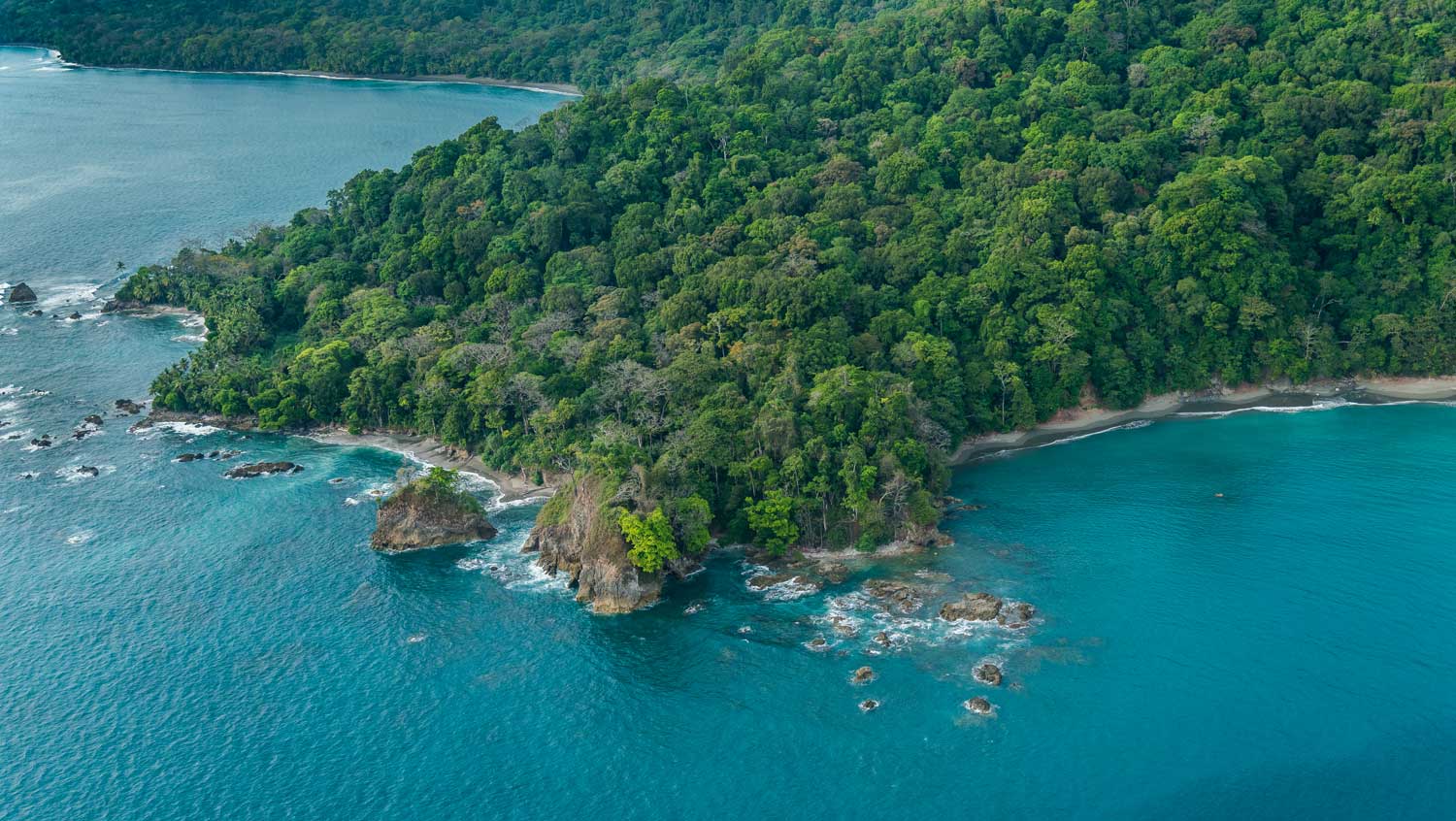
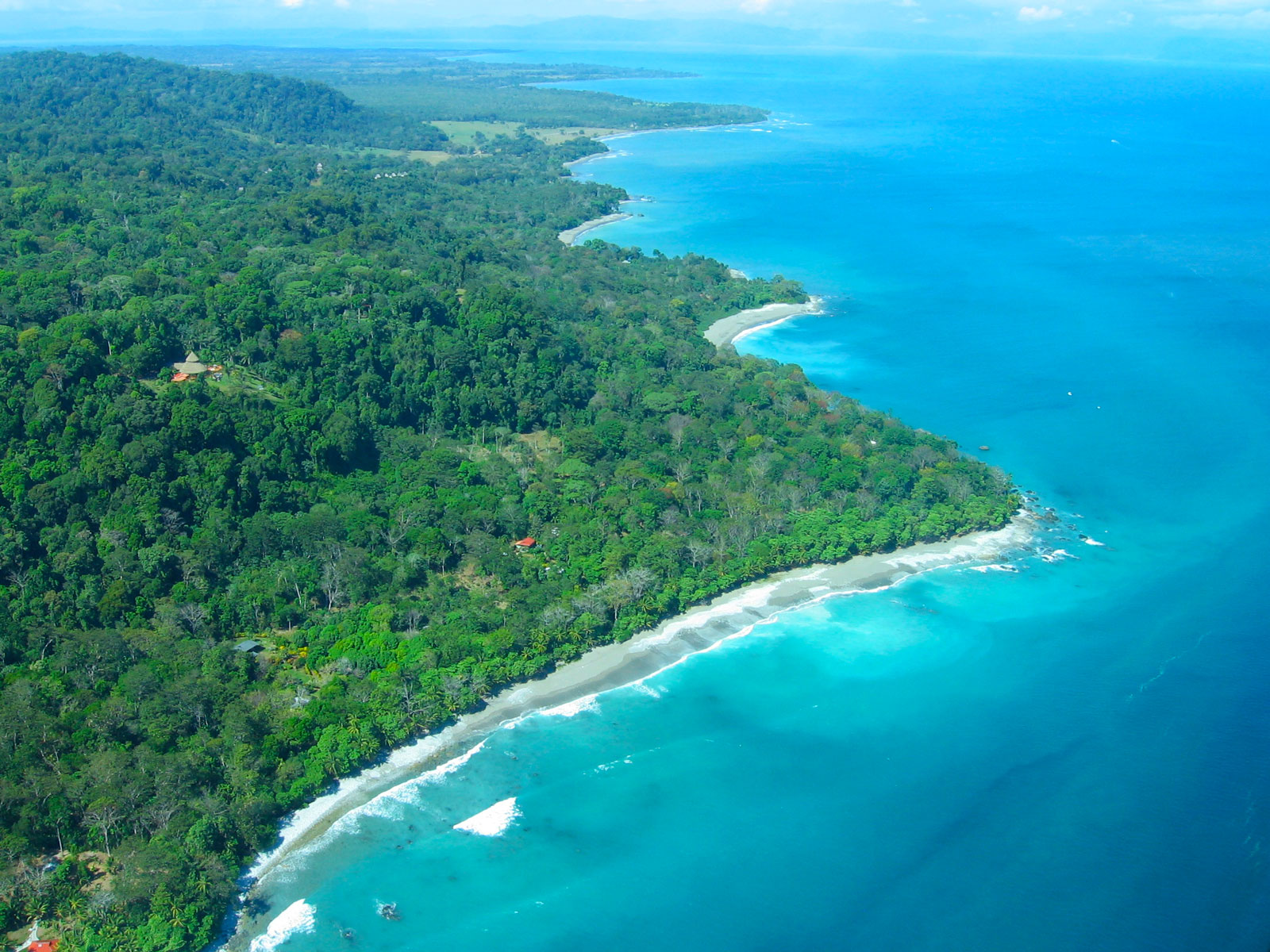
Corcovado lies deep in the Osa Peninsula in the southern Pacific region of Costa Rica. Remote and wild, this national park protects over 40,000 hectares of primary tropical rainforest, untouched beaches, mangroves, and estuaries.
But beyond the location, what makes Corcovado truly extraordinary is the sheer amount of life packed into such a small space.

What does “biologically intense” mean?
Biological intensity refers to the density and diversity of life in one area — plants, animals, insects, fungi, and microorganisms all coexisting in one wild, thriving ecosystem.
And this is where Corcovado shines. National Geographic once called it:
“The most biologically intense place on Earth per square meter.”
This is no exaggeration. In just a single day, you might encounter:
- Over 500 species of trees, more than in all of Europe
- 140 species of mammals, including all 4 types of monkeys found in Costa Rica (howler, capuchin, squirrel, and spider monkeys), plus sloths, tapirs, and even jaguars and pumas
- 400 species of birds, like the vibrant scarlet macaw, toucans, hummingbirds, and hawks
- 117 species of reptiles and amphibians, from bright poison dart frogs to crocodiles and tree snakes
- Thousands of insects and butterflies, lighting up the forest with color and motion
- And countless marine species along rivers, estuaries, and untouched coastlines
One of the Last True Rainforests
Corcovado is one of the last remaining primary rainforests in the world. That means many parts of the park have never been disturbed by humans — the ecosystem has been evolving here, uninterrupted, for millennia.
A walk through its trails might bring you face-to-face with monkeys swinging overhead, coatis rummaging in the underbrush, or the fresh pawprints of a jaguar near the riverbank.
Why It Matters?
Biodiversity isn’t just a pretty thing to witness. It’s a vital sign of ecological health, a source of scientific and medical discoveries, and a powerful system that sustains the balance of life on our planet.
Corcovado acts as a massive natural laboratory — a living ark and a global biodiversity hotspot.
Despite covering less than 0.001% of the Earth’s surface, the Osa Peninsula holds over 2.5% of the world’s biodiversity. That’s an extraordinary ratio that makes this region one of the planet’s true natural treasures.

Visiting Corcovado: A Life-Changing Experience
Traveling to Corcovado isn’t just another tour. It’s a journey into a world where life pulses with ancient force. The sounds of the jungle become a living soundtrack, and every step holds something unexpected — a blooming orchid, a neon-green frog, or the flash of wings in the canopy above.
There’s no phone signal. No paved roads. Just you, the jungle, and the wild beating heart of nature in its purest form.
The Perfect Destination for Ecotourism
Ecotourism in Costa Rica doesn’t get more real than this. Corcovado is ideal for travelers who want:
- True wilderness adventures
- Birdwatching in lush forests
- Jungle trekking and guided hikes
- Wildlife spotting in untouched habitats
- Authentic nature-based experiences
Whether you’re traveling solo, with a partner, or in a small group, Corcovado offers a rare chance to disconnect from the world and reconnect with the wild.